Body Rehabilitation
Musculoskeletal Rehabilitation
Restore movement, improve stability and build confidence in your body with a personalised rehabilitation program.
How Rehabilitation Works
Principles of Musculoskeletal Rehabilitation
Rehabilitation is about more than relieving pain, completing exercises or improving strength.
It is designed to help restore proper movement and reduce the likelihood of injuries and symptoms returning.
Effective rehabilitation considers mobility, stability, strength, balance and proper physical function. Each of these elements is important during exercise, work and everyday activities.
Improving how your body moves can help increase efficiency, improve confidence and reduce the risk of reinjury while training or completing normal daily activities.
The rehabilitation assessments and therapies provided at Live Active Chiropractic incorporate current understandings of neuroplasticity and sensory-motor integration.
Neuroplasticity describes the body’s ability to change and adapt in response to specific and repeated training. By combining movement, balance and stability into a progressive plan, we aim to improve awareness, coordination and control.
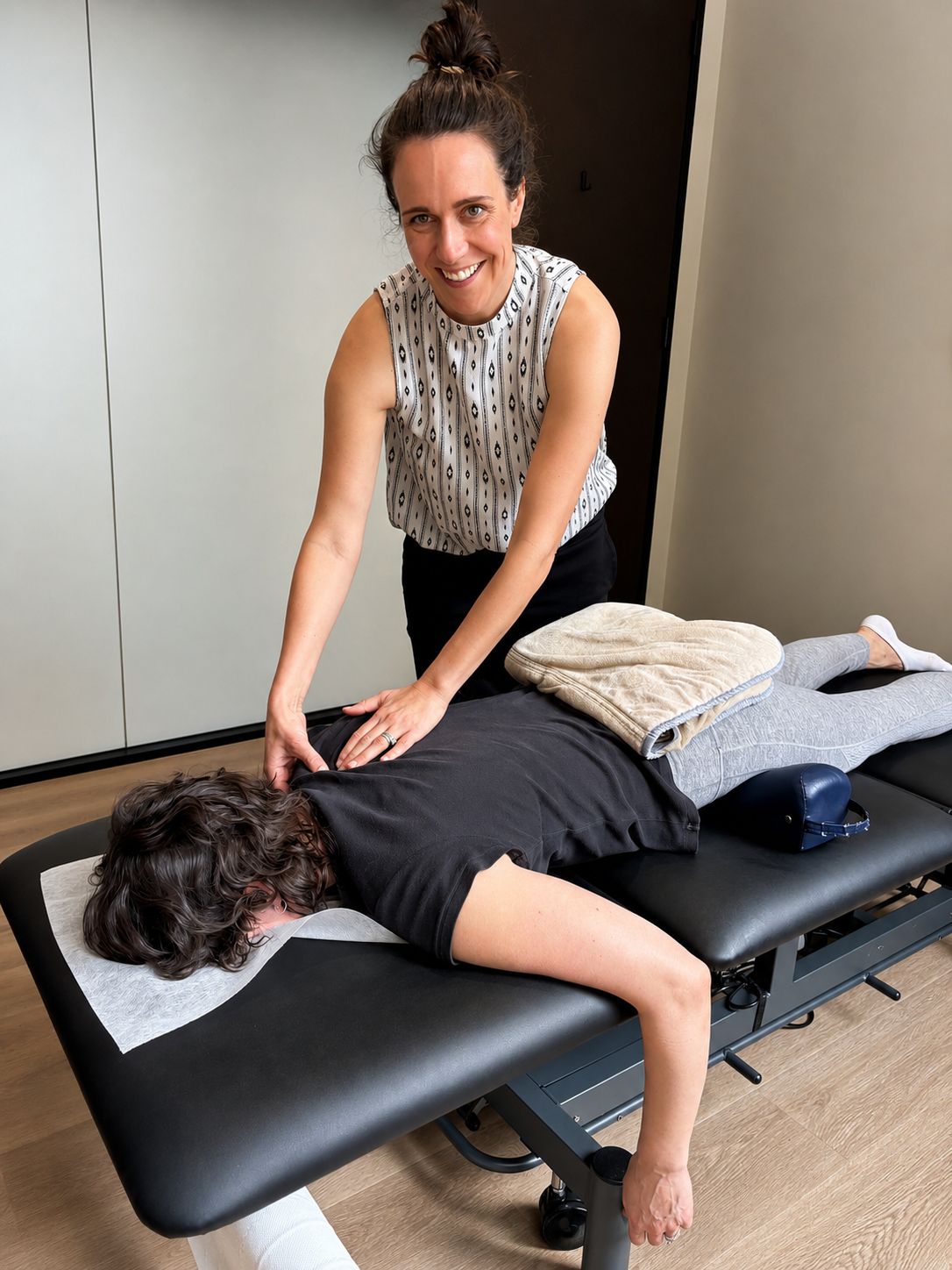
Personalised Care
Who Can Benefit from Rehabilitation?
Our chiropractic and rehabilitation patients may benefit from
musculoskeletal rehabilitation for a variety of reasons.
Move Better
Benefits of Rehabilitation
With more than 15 years of experience helping people across Sydney, our team has seen the short- and long-term benefits of tailored, evidence-informed rehabilitation.
01
Improved Strength
Build stronger and more stable muscles and joints to support everyday movement.
02
Greater Mobility
Improve flexibility and range of movement so your body can move more comfortably.
03
Exercise Confidence
Return to exercise, sport and recreational activities with greater confidence.
04
Better Daily Function
Get through work and daily activities with less physical restriction.
05
Injury Prevention
Address movement patterns, instability and weakness that may contribute to recurring injuries.
06
Improved Quality of Life
Enjoy a more active lifestyle as movement, confidence and physical health improve.
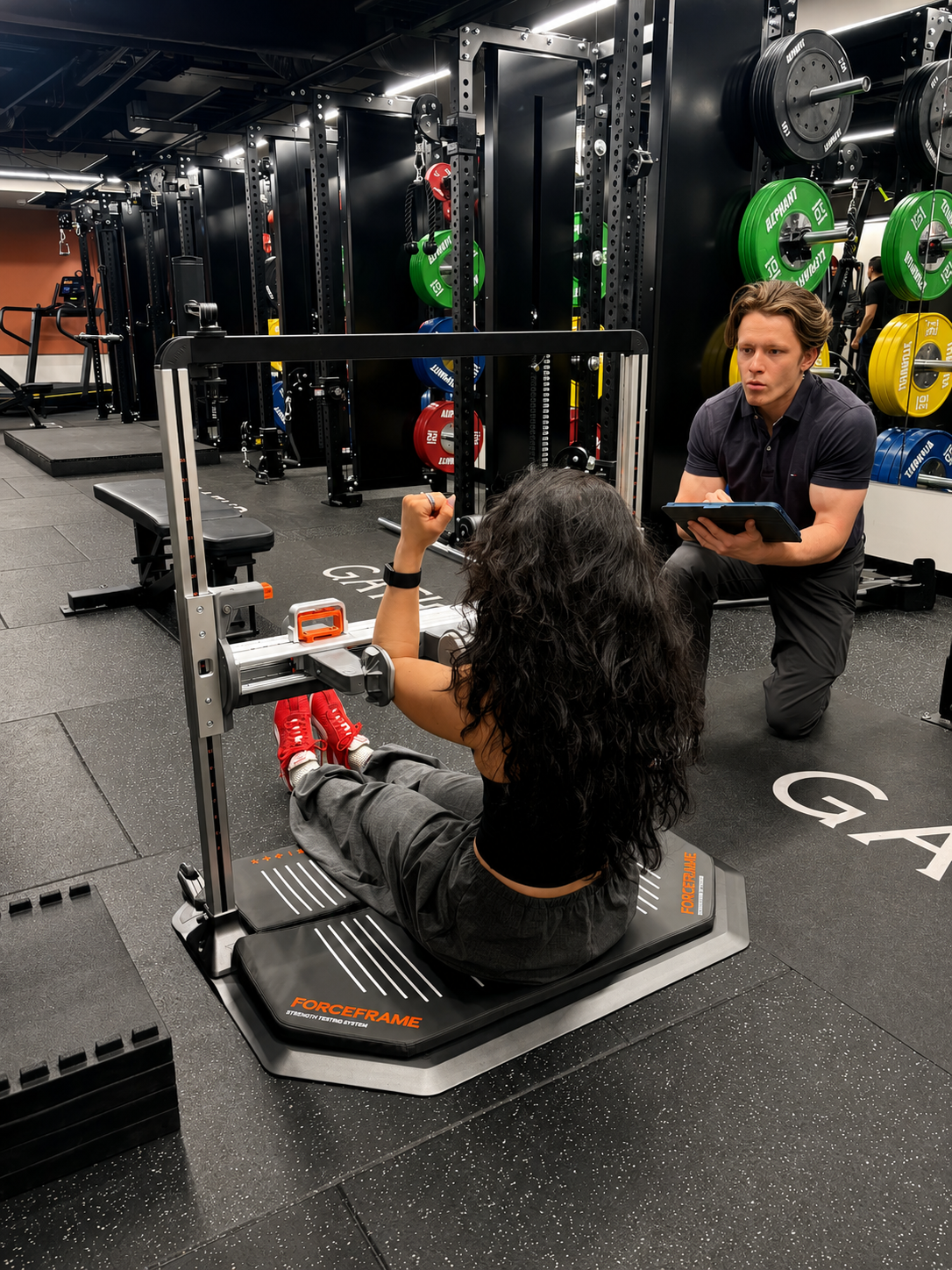
Conditions We Support
Common Conditions Improved Through Rehabilitation
Your rehabilitation program is tailored to your condition, current
ability, lifestyle and recovery goals.
Ankle
Inversion and eversion sprains
High and low ankle sprains
Posterior tibial tendon dysfunction
Talar impingement
Tarsal tunnel syndrome
Ankle instability
Fracture rehabilitation
Knee
Cruciate ligament injuries
Post-operative ligament rehabilitation
Meniscus injuries
Patellofemoral tracking syndrome
Knee instability
Hip & Pelvis
Hip capsulitis
Hip impingement
Labral tears
Hip instability
Pubic symphysis conditions
Lower Back
Sacroiliac joint conditions
Lumbar disc injuries
Sciatica
Lumbar instability
Spondylolisthesis
Mid Back & Posture
Rib sprains
Scoliosis-related discomfort
Hunched posture
Postural dysfunction
Shallow breathing patterns
Shoulder & Arm
Rotator cuff injuries
Post-operative shoulder rehabilitation
Shoulder labral tears
Shoulder impingement
Scapular instability and winging
Tennis elbow
Carpal tunnel syndrome
Neck
Whiplash
Torticollis
Disc injuries
Forward head posture
Neck instability
Your Recovery Plan
What to Expect
01
Assessment
We assess your movement, symptoms, physical capacity and recovery goals.
02
Personalised Plan
Your practitioner develops a progressive rehabilitation plan suited to your needs.
03
Guided Rehabilitation
You receive guidance through mobility, stability, strength and movement exercises.
04
Return to Activity
Your program progresses towards work, exercise, sport and everyday activity.
Start Moving Better
Take the Next Step in Your Recovery
Speak with the Live Active Chiropractic team about a personalised musculoskeletal rehabilitation plan.